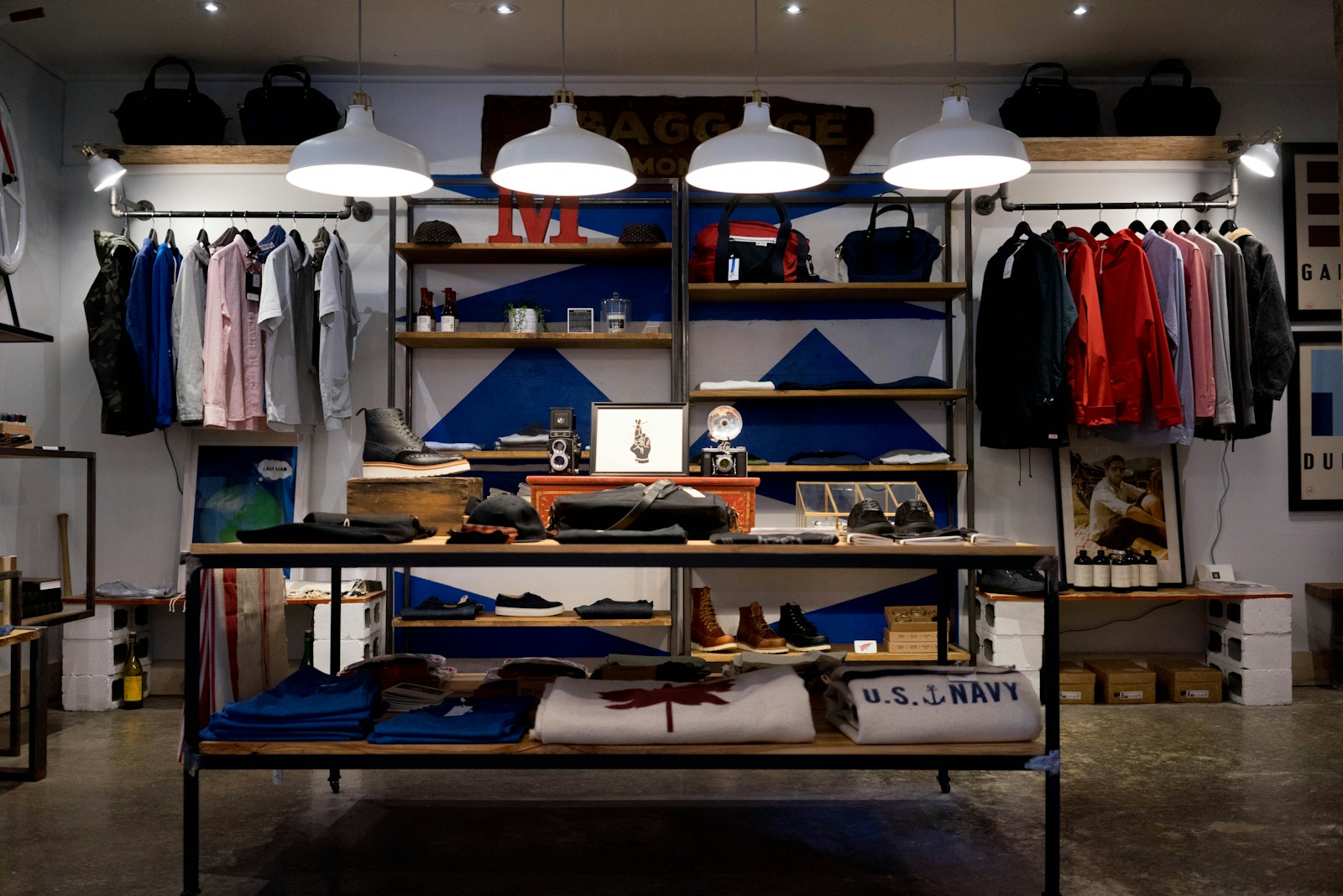
Photo on Unsplash
Digital Signage ROI: What Retailers Need to Know
Digital signage in retail has been pitched on big numbers for years — "30% sales lift!", "50% recall!". Some are real, some are vendor-survey theatre. This piece walks you through the ROI numbers that actually hold up under scrutiny, the categories where they apply, and the ones where digital signage is the wrong investment.
What the credible studies actually say
The most-cited number is the 31.8% sales-lift figure from a 2010 Arbitron study of in-store digital displays. It holds up — but with caveats. The lift was concentrated in the categories where the screen was placed within 1.5m of the product, and where the content cycled rather than running static. Stationary, generic-content screens showed lifts closer to 8-12%.
More recent meta-analyses settle on 5-10% sales lift for product-adjacent digital screens running cycling content, and 15-25% for menu-adjacent screens in QSR. Neither matches the headline numbers, but both clear the cost bar comfortably for most retailers.
The categories where ROI is strongest
Quick-service food and beverage — digital menu boards consistently show the highest measured lift, especially when daypart-switched.
Beauty and personal care — high decision-anxiety categories where rotating tutorials and product comparisons reduce hesitation.
Wine, spirits and craft beer — pairing suggestions and origin stories drive add-on basket size.
Tech and electronics — spec comparisons and demo loops shorten sales-floor time and reduce staff load.
Notice the pattern: high-margin categories where the customer is already considering, not commodity categories where price is the only signal.
The categories where ROI is weak
Digital signage rarely pays back in pure-grocery, fast-fashion turnover apparel, or commodity convenience. The basket sizes are too small, the dwell time too short, and the price-driven decision happens before the customer reaches the screen. Spend the budget on better lighting and clearer pricing instead.
How to actually measure ROI
The number that matters is incremental margin per screen per month, against the all-in cost of the screen plus content time. Most retailers underestimate the content time. A useful rough framework:
All-in monthly cost = display amortisation (typical: 50-inch commercial screen €800 over 36 months = €22) + Showcel software (€8-12/screen/month) + content time (1-3 hours/month if you have templates, 5-10 hours/month without).
Incremental margin = (units sold of featured items × margin) − (units that would have sold without the screen × margin).
Run the screen on for 3 weeks, off for 3 weeks (rotating featured items to control for newness), and compare. Most retailers see clear positive ROI within 60 days or never.
What's quietly the biggest ROI driver
It's not sales lift. It's reduced printing and labour cost. A retailer running 50 stores with monthly poster refreshes spends €15-30 per store per month on printing, plus 30-60 minutes of staff time per swap. Replacing that with digital — push once, all 50 stores update — saves €750-1,500 per month in pure cost reduction. The sales lift is upside on top.
When you should NOT invest in digital signage
If you have one location, low foot traffic, no plan to refresh content monthly, and no products that benefit from visual storytelling — stay with print. The fixed cost is small but the ongoing engagement cost is real, and an unmaintained digital screen looks worse than no screen at all.
If your store is in any of the high-ROI categories above, start a free 30-day trial with one screen, measure for the month, then decide on rollout.